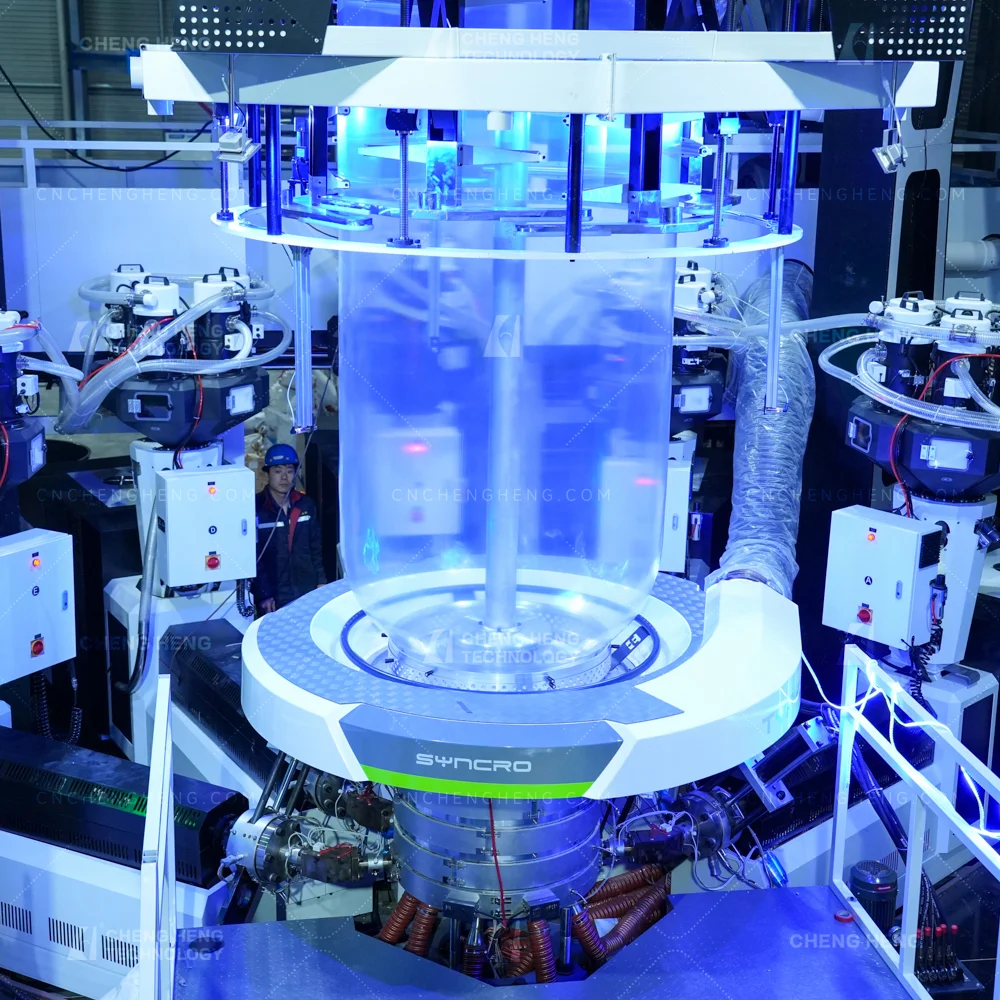
The single screw extruder machine stands as the foundational workhorse of the modern plastics industry, serving as the primary engine for melting, mixing, and shaping thermoplastic polymers into usable forms. From the production of simple grocery bags to complex industrial liners, the efficiency of this machinery dictates the quality and cost-effectiveness of the entire downstream manufacturing process.
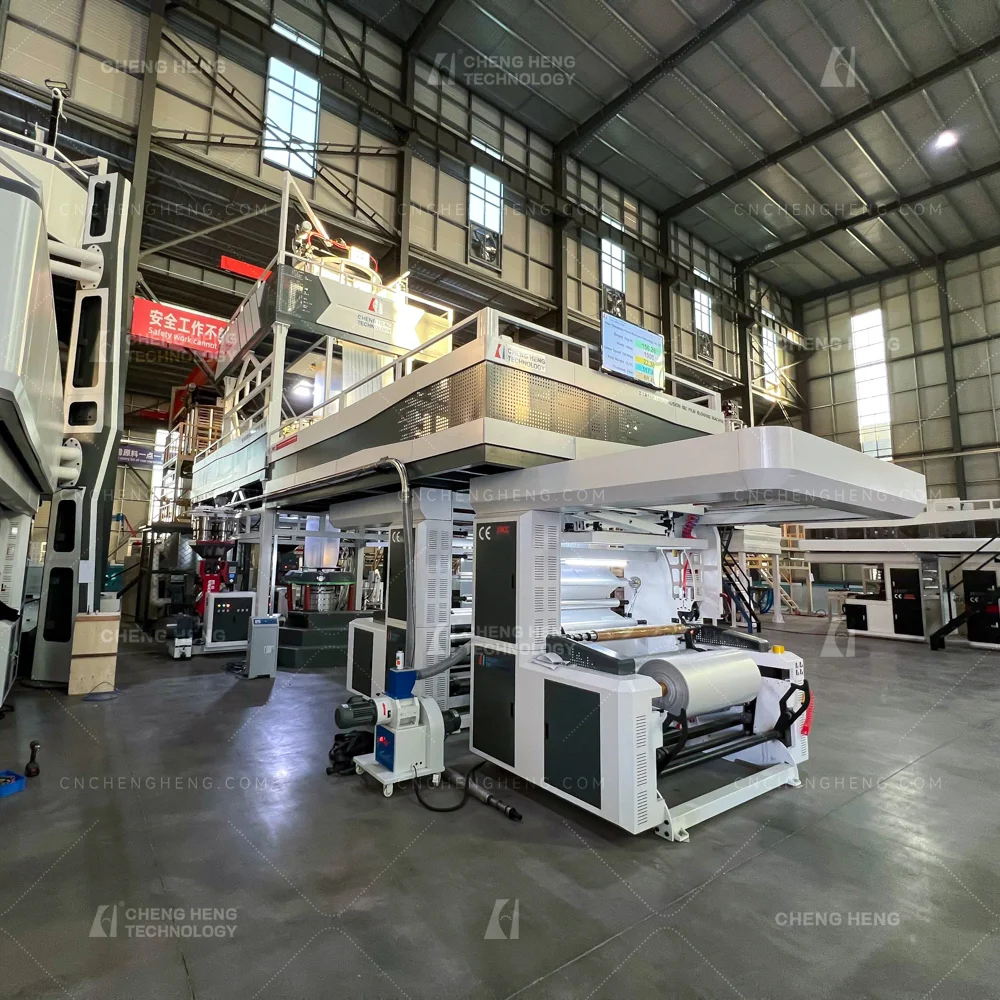
In the competitive landscape of flexible packaging, understanding the nuances of the single screw extruder machine is crucial for manufacturers aiming to optimize their output. Whether integrated into a Single Layer Blown Film Line or serving as a component in a Multi Layer Blown Film Extrusion Machine, the precision of the screw design and heating control directly impacts the bubble stability and film clarity.
Globally, the shift toward sustainable materials and biodegradable polymers has pushed the evolution of the single screw extruder machine toward higher precision and better thermal regulation. By mastering the balance between shear stress and melt temperature, producers can reduce waste and enhance the physical properties of the finished plastic product.
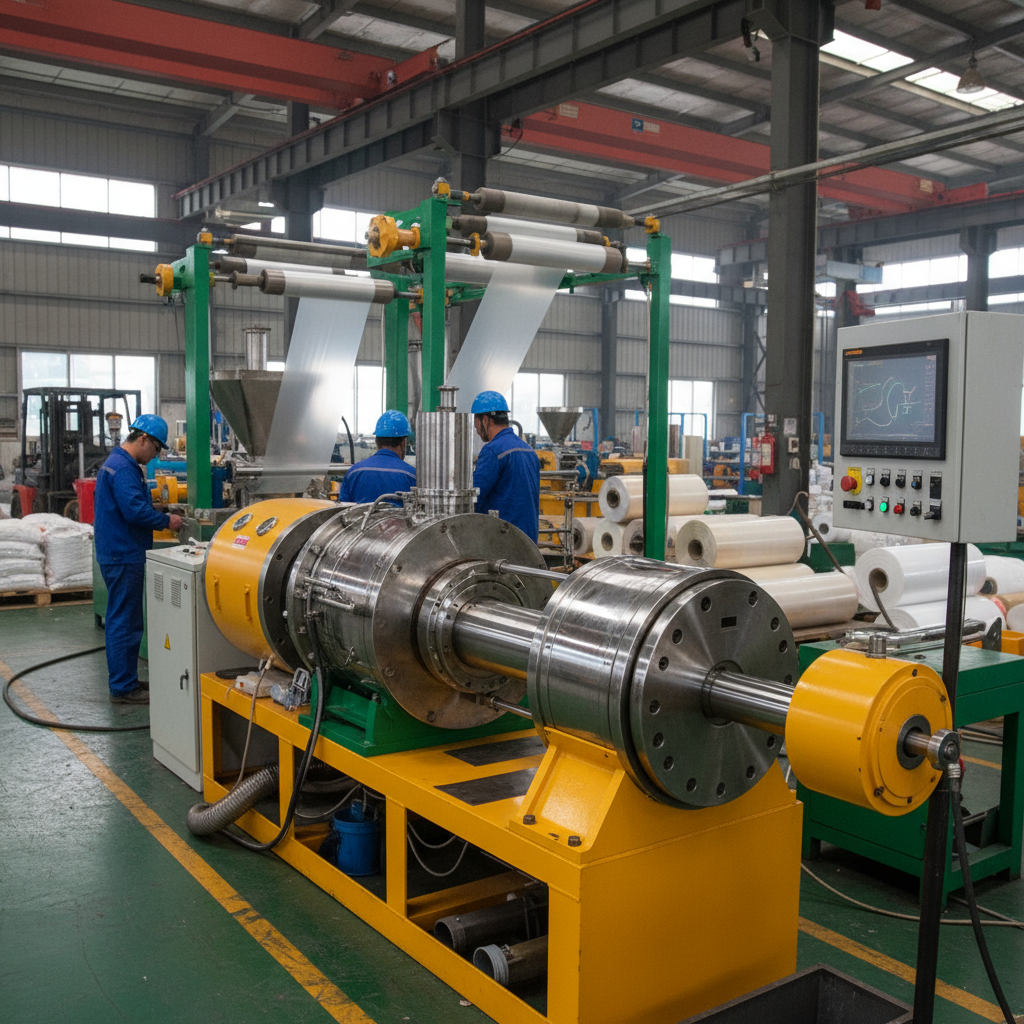
Global Industry Context of Single Screw Extruders
On a global scale, the demand for plastic packaging continues to grow, driven by the expansion of e-commerce and food preservation needs. The single screw extruder machine is the heartbeat of this sector, facilitating the massive production of polyethylene (PE) and polypropylene (PP) films. According to industry trends aligned with ISO standards, the drive toward standardization in extrusion has allowed manufacturers in emerging markets to scale their production rapidly while maintaining consistent film thickness.
However, the industry faces a significant challenge: the tension between high-volume output and environmental sustainability. Many legacy systems struggle with energy inefficiency and an inability to process recycled resins without compromising film strength. This has led to a global push for upgrading traditional machinery to more intelligent, energy-efficient versions that can handle a wider variety of raw materials.
Defining the Single Screw Extruder Machine
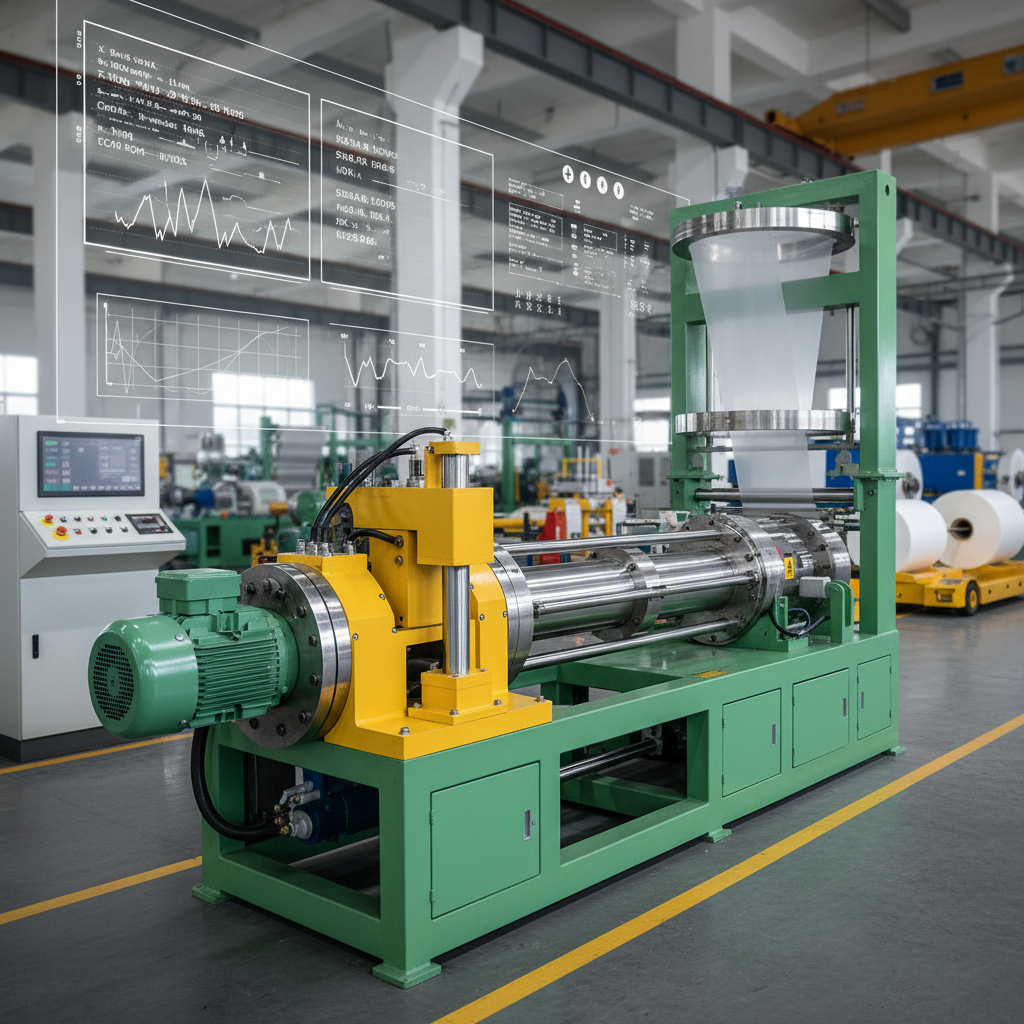
In simple technical terms, a single screw extruder machine is a device that uses a rotating screw within a heated barrel to melt, compress, and push thermoplastic resin through a die to create a continuous profile. It converts raw plastic pellets into a molten state through a combination of external heater bands and internal friction (shear heat), ensuring the material is homogenous before it is blown into a film bubble.
Beyond the mechanics, this machine represents the intersection of thermodynamics and mechanical engineering. In the context of modern humanitarian needs—such as the production of sterile medical packaging or affordable water-resistant shelters—the reliability of the extrusion process ensures that essential goods are protected from contamination and environmental degradation during transport.
The versatility of the single screw extruder machine allows it to be scaled from small laboratory setups to massive industrial lines. Whether it is part of a Double Layer Film Blowing Machine or a Three Layer ABC Blown Film Machine, the core principle remains the same: the precise conversion of solid polymer into a controllable liquid flow.
Core Components for High-Performance Extrusion
The heart of any single screw extruder machine is the screw and barrel assembly. The screw's geometry—comprising the feed zone, compression zone, and metering zone—is engineered to ensure that the plastic is gradually melted and pressurized without overheating, which would otherwise lead to material degradation.
Thermal management is the second critical factor. Advanced single screw extruder machine units utilize PID controllers and high-efficiency ceramic heaters to maintain temperature stability within ±1°C. This precision is vital for preventing "fish-eyes" or gels in the final blown film, ensuring a professional, optical-grade finish.
Lastly, the drive system and filtration unit determine the machine's scalability and purity. A powerful AC motor paired with a high-torque gearbox allows the single screw extruder machine to handle high-viscosity resins, while the screen changer removes impurities, protecting the die and ensuring the film's structural integrity.
Practical Applications in Blown Film Production
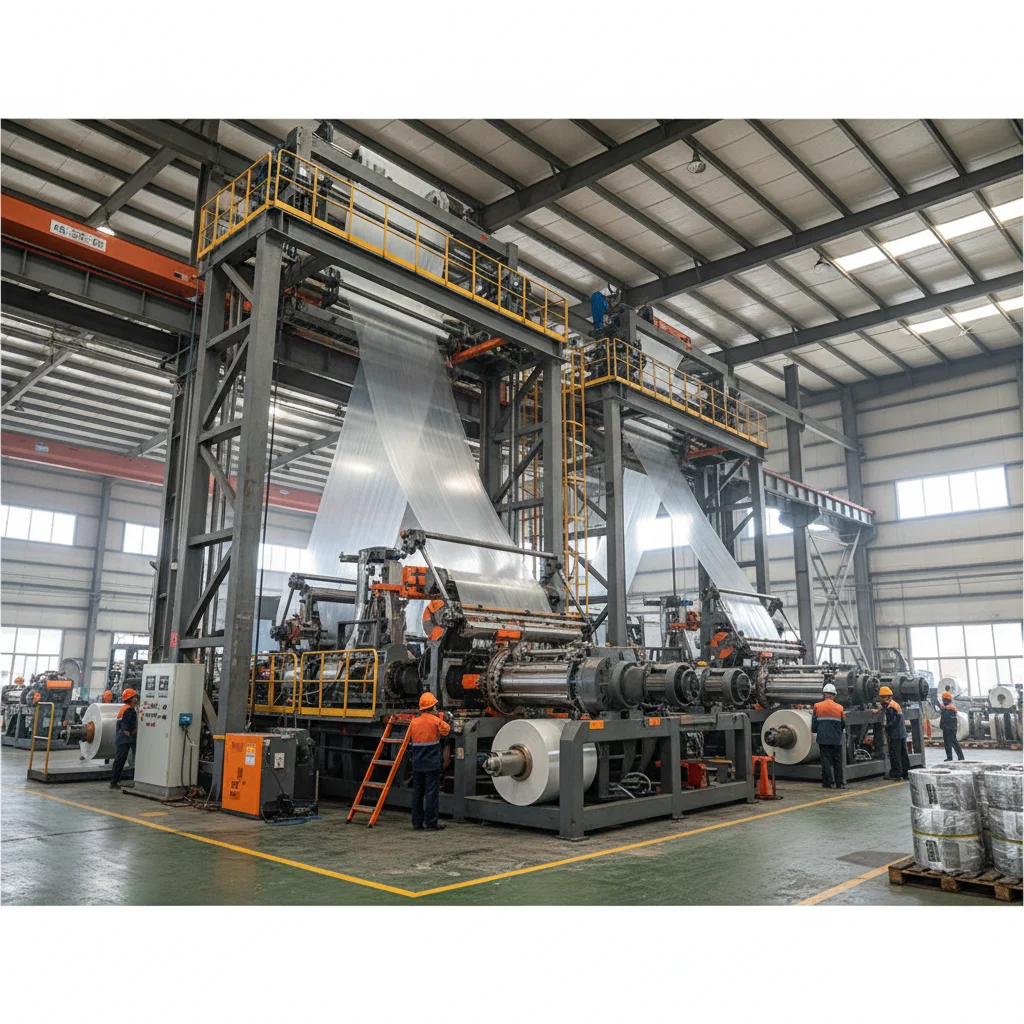
The single screw extruder machine is utilized across diverse sectors, from agricultural mulch films to high-end retail packaging. In North America and Europe, there is a heavy emphasis on integrating these machines with automated winding systems to create high-speed production lines for shrink wraps and industrial stretch films.
In remote industrial zones, particularly in Southeast Asia, the simplicity and robustness of the single screw extruder machine make it the ideal choice for local entrepreneurs producing essential plastic bags and liners. Its ability to be maintained with basic mechanical tools ensures minimal downtime in areas where specialized technical support may be limited.
Comparative Performance of Single Screw Extruder Machine Configurations
Long-Term Value and Economic Advantages
Investing in a high-quality single screw extruder machine provides immense tangible benefits in terms of operational cost and reliability. Because these machines have fewer moving parts compared to twin-screw alternatives, the maintenance costs are significantly lower, and the energy consumption per kilogram of processed material is optimized for standard polymer grades.
Beyond the balance sheet, there is an emotional angle of trust and safety. A well-engineered single screw extruder machine operates with lower vibration and noise, creating a safer and more dignified working environment for operators. The stability of the output reduces the stress of quality control, allowing manufacturers to build a reputation for reliability in their respective markets.
Future Innovations in Extrusion Technology
The future of the single screw extruder machine is inextricably linked to the digital transformation of the factory floor. We are seeing the integration of IoT sensors that monitor melt pressure and temperature in real-time, allowing for autonomous adjustments that prevent material burnout and reduce scrap rates.
Sustainability is also driving a revolution in material compatibility. New screw alloys and coatings are being developed to allow the single screw extruder machine to process 100% post-consumer recycled (PCR) resins without the typical loss in tensile strength, aligning the industry with global green energy and circular economy policies.
Furthermore, the transition toward servo-driven motors is replacing traditional gearboxes in some high-end single screw extruder machine designs. This shift not only reduces energy waste but also allows for incredibly precise control over the screw speed, which is essential for producing ultra-thin, high-performance films.
Common Challenges and Engineering Solutions
One of the most persistent challenges with the single screw extruder machine is "melt fracture" or sharkskin, where the polymer exits the die with a rough surface. Expert insights suggest that this is often a result of excessive shear stress at the die wall; the solution lies in using specialized die coatings or optimizing the temperature profile of the final heating zone.
Another common issue is the inconsistent feeding of raw materials, which leads to fluctuations in film thickness. To overcome this, many manufacturers are upgrading to vacuum-assisted feeding systems or using high-precision dosing units that ensure the single screw extruder machine receives a constant volume of resin regardless of pellet size or shape.
Finally, managing the degradation of heat-sensitive materials remains a hurdle. By incorporating "barrier screws" into the single screw extruder machine, engineers can separate the solid bed from the melt pool, reducing the residence time of the polymer and preventing thermal degradation, thus ensuring a high-quality, transparent final product.
Technical Analysis of Single Screw Extruder Machine Performance Solutions
| Challenge Type |
Root Cause |
Engineering Solution |
Impact Score (1-10) |
| Melt Fracture |
High Shear Stress |
Fluoropolymer Die Coating |
9 |
| Material Degradation |
Excessive Residence Time |
Barrier Screw Design |
8 |
| Thickness Variation |
Unstable Feeding |
Gravimetric Dosing System |
10 |
| Energy Waste |
Inefficient Heating |
Induction Heating Bands |
7 |
| Contamination |
Raw Material Impurities |
Automatic Screen Changer |
9 |
| Poor Mixing |
Low Laminar Shear |
Maddock Mixing Element |
8 |
FAQS
The single screw extruder machine is primarily designed for melting and pumping polymer melts, making it highly efficient for high-volume production of films and pipes with lower maintenance costs. In contrast, twin screw extruders are superior for intensive mixing, compounding, and adding fillers or pigments to the resin. For standard blown film production, the single screw version is typically preferred due to its simplicity and cost-effectiveness.
Overheating often occurs due to excessive shear heat. To prevent this, ensure that your screw speed is optimized for the specific resin viscosity and that your cooling fans or water-cooling jackets are functioning correctly. Additionally, using a barrier screw can help separate the melt from the solid pellets, reducing the friction-induced heat and protecting the polymer from thermal degradation.
Yes, but it requires specific modifications. Recycled plastics often have inconsistent melt flow rates and may contain impurities. Using a single screw extruder machine equipped with a high-capacity automatic screen changer is essential to remove contaminants. Furthermore, choosing a screw with higher wear resistance (such as bimetallic alloys) will protect the machine from the abrasive nature of recycled materials.
Inconsistent thickness (gauge variation) is usually caused by fluctuations in the melt pressure or unstable feeding. Check if the hopper is feeding pellets consistently; if not, consider a gravimetric feeder. Also, verify that the heating zones are stable; if one zone is fluctuating, it will cause "surging" in the melt flow, leading to uneven thickness in the blown film bubble.
Replacement intervals depend on the material being processed. If you are using virgin PE, the components can last for several years. However, if you process recycled plastics or materials with additives like calcium carbonate, wear happens much faster. We recommend a professional measurement of the screw flight clearance every 6-12 months to determine if the wear has reached a point where output efficiency is compromised.
Modern units are highly efficient, especially those utilizing inverter-controlled motors and ceramic heaters. By optimizing the L/D (Length to Diameter) ratio of the screw, manufacturers can achieve the desired melt quality with less energy. Transitioning to a servo-drive system can further reduce energy consumption by eliminating the need for constant full-speed motor operation.
Conclusion
The single screw extruder machine remains an indispensable asset in the plastics manufacturing world, offering a perfect balance of mechanical simplicity, operational reliability, and high output. By focusing on core components like screw geometry and precise thermal control, manufacturers can produce high-quality blown films that meet the rigorous demands of the global market, all while maintaining a sustainable cost structure.
As the industry moves toward a circular economy, the continued innovation of extrusion technology—through IoT integration and the ability to process recycled resins—will be the key to survival. We encourage manufacturers to invest in precision-engineered machinery to ensure long-term viability and environmental compliance. For more information on high-performance extrusion solutions, visit our website: www.cnchsj.com