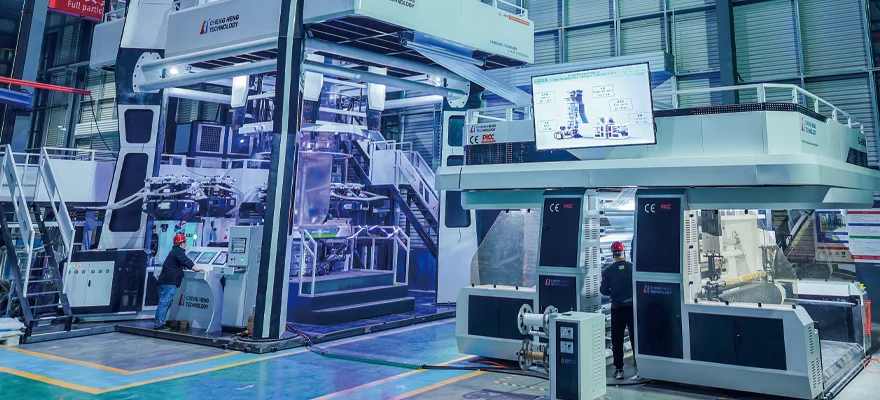
Finding a high-performance blown film extruder for sale is a pivotal decision for any plastics manufacturer aiming to scale their production capacity. Whether you are producing simple shopping bags or high-barrier food packaging, the right extrusion technology determines the optical clarity, tensile strength, and overall consistency of your final product. In an era where material efficiency is paramount, investing in a modern blown film line is no longer just about output, but about precision control and waste reduction.
The global demand for flexible packaging continues to surge, driven by the e-commerce boom and the pharmaceutical industry's need for sterile, lightweight wrapping. This has led to a sophisticated market where a blown film extruder for sale can range from basic single-layer machines to complex multi-layer ABC co-extrusion systems. Understanding the technical nuances between these options allows manufacturers to optimize their resin usage and enter higher-value markets.
However, the industry faces a critical turning point as environmental regulations push for the integration of biodegradable polymers and recycled resins. Modern machinery must now handle varied melt flow indices and maintain stability while processing PCR (Post-Consumer Recycled) plastics. Choosing a blown film extruder for sale that offers versatility and energy efficiency is the key to maintaining competitiveness in a green-conscious global economy.
Global Industry Context of Blown Film Extrusion
The market for a blown film extruder for sale is deeply intertwined with the global growth of the polymers market. According to recent industrial reports and ISO standards for plastic processing, the shift toward lightweighting packaging to reduce carbon footprints has increased the demand for high-precision multi-layer films. In Southeast Asia and Africa, the expansion of local manufacturing hubs has created a massive surge in requests for reliable, entry-level single-layer lines that can provide basic packaging for agriculture and retail.
Despite this growth, the industry struggles with the "plastic paradox"—the need for high-performance barriers to preserve food (reducing waste) versus the need to reduce total plastic volume. This challenge is driving the search for a blown film extruder for sale that can process PLA, PBAT, and other compostable materials without sacrificing the mechanical properties of the film, forcing a technological evolution in screw design and temperature control.
Defining the Blown Film Extrusion Process
In simple terms, a blown film extruder for sale is a machine that melts plastic resin pellets and pushes them through a circular die to create a continuous tube of plastic. This tube is then "blown" up like a balloon using air, which stretches the plastic both vertically and horizontally. This biaxial orientation is what gives blown film its unique strength and clarity compared to cast films.
From a humanitarian and industrial perspective, this technology is the backbone of essential supplies. From the sterile bags used in medical clinics to the heavy-duty liners used in disaster relief for water storage and temporary shelters, the availability of an affordable blown film extruder for sale enables developing regions to produce their own critical packaging locally, reducing dependence on expensive imports.
Modern iterations of these machines now include sophisticated cooling rings and internal bubble control systems. When browsing for a blown film extruder for sale, the distinction between a "Single Layer" and "Multi Layer" machine is crucial; the latter allows for the combination of different resins (like PE and PA) to create a film that is waterproof on one side and oxygen-barrier on the other.
Core Components for Maximum Efficiency
When evaluating a blown film extruder for sale, the screw and barrel assembly is the heart of the operation. High-wear resistance alloys and precision-engineered screw profiles ensure that the resin is melted uniformly, preventing "gels" or un-melted particles that could cause the film to tear during the blowing process.
The die head is the second most critical factor for any blown film extruder for sale. A spiral mandrel die is often preferred as it eliminates weld lines and ensures a perfectly concentric bubble, which is essential for maintaining a consistent gauge (thickness) across the entire width of the film.
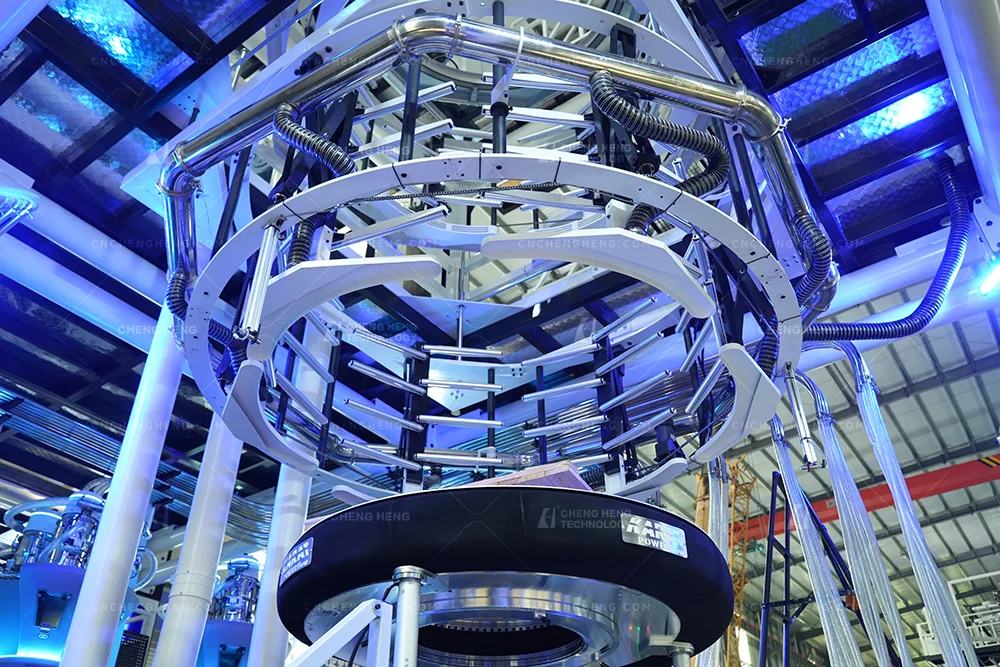
Finally, the air ring and take-up system determine the final properties of the film. An advanced dual-lip air ring allows for faster cooling and better bubble stability, which directly increases the production speed of the blown film extruder for sale, leading to a lower cost-per-kilogram of finished product.
Comparative Performance of Extruder Types
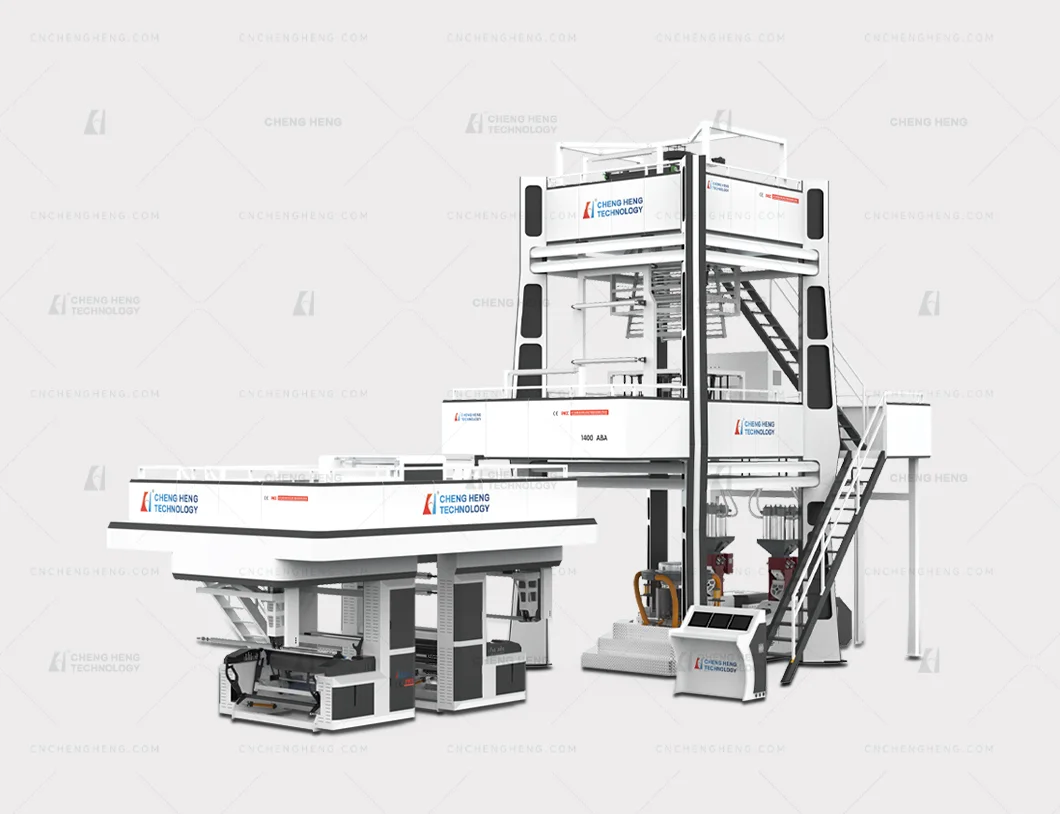
Choosing between different categories of a blown film extruder for sale depends on the intended application. Single-layer machines are cost-effective for basic liners, while Three-Layer ABC machines are the gold standard for high-end packaging where the outer layer provides gloss, the middle layer provides strength, and the inner layer ensures food-grade sealing.
The efficiency of these machines is often measured by their ability to maintain output while minimizing energy consumption. Higher-end models now integrate servo-driven motors and PLC controls to reduce power spikes, making the blown film extruder for sale a more sustainable investment for the long term.
Efficiency Rating of Blown Film Extruder for Sale Types
Global Applications and Industrial Use Cases
The application of a blown film extruder for sale spans across virtually every consumer sector. In the agricultural industry, these machines produce mulch films that regulate soil temperature and moisture, drastically increasing crop yields in arid regions. In the logistics sector, they are used to create shrink-wrap and stretch films that secure cargo during international shipping, ensuring goods arrive undamaged.
Beyond commercial use, we see these machines deployed in specialized industrial zones to create heavy-duty geomembranes for landfill liners and pond waterproofing. By investing in a blown film extruder for sale with high-output capacity, companies can produce the thick, puncture-resistant films required for environmental protection projects, preventing toxic seepage into groundwater.
Long-term Value and Sustainability Benefits
The true value of a blown film extruder for sale extends beyond the initial ROI. When a manufacturer selects a machine with high energy efficiency and low waste rates, they are investing in operational stability. Precision thickness control reduces "over-gauging," which means less raw resin is used per bag, directly increasing the profit margin on every single roll produced.
From a sustainability angle, modern machines allow for the blending of recycled materials. A blown film extruder for sale equipped with a degassing system can process recycled PE without creating bubbles or voids in the film. This allows brands to market "circular packaging," enhancing their corporate image and meeting the strict ESG (Environmental, Social, and Governance) requirements of global retailers.
Furthermore, the reliability of the machinery fosters trust within the supply chain. When a factory uses a top-tier blown film extruder for sale, the consistency of the film's tensile strength ensures that packaging doesn't fail during transport, protecting the dignity of the brand and the safety of the end-user.
Future Trends in Blown Film Technology
The future of any blown film extruder for sale lies in "Industry 4.0" integration. We are seeing a shift toward smart extrusion, where AI-driven sensors monitor the bubble stability in real-time and automatically adjust the air ring and haul-off speed to correct gauge deviations without human intervention.
Material science is also evolving. The next generation of blown film extruder for sale models will be designed specifically for mono-material laminates. By using different densities of the same polymer (e.g., HDPE and LDPE), manufacturers can create a high-barrier film that is 100% recyclable, unlike traditional multi-material films that end up in landfills.
Automation in the winder and cutting sections is also becoming standard. A complete blown film extruder for sale package now often includes automatic roll changing and edge-trim recycling systems, creating a closed-loop production environment that minimizes labor costs and maximizes uptime.
Technical Comparison of Blown Film Extrusion Configurations
| Machine Type |
Typical Application |
Material Flexibility |
Energy Score (1-10) |
| Single Layer Line |
Shopping bags, Liners |
Low (LDPE/LLDPE) |
7 |
| Double Layer Line |
Industrial Wrap |
Medium (Co-ex PE) |
8 |
| Three Layer ABC |
Food Packaging |
High (PE/PA/EVOH) |
6 |
| Multi-Layer Co-Ex |
Pharmaceuticals |
Very High (Multi-Polymer) |
5 |
| Biodegradable Line |
Eco-bags, Compostables |
Specialized (PLA/PBAT) |
9 |
| Recycled Resin Line |
Waste Management Bags |
High (PCR-PE) |
8 |
FAQS
Focus on the die design (spiral mandrel is best), the screw alloy quality for wear resistance, and the cooling system. A high-quality air ring ensures bubble stability, which prevents gauge variation. Also, check if the machine has a PLC control system for precise temperature and speed management.
Yes, if you are targeting high-value markets like food or medical packaging. Three-layer machines allow you to combine properties—such as a sealant layer, a barrier layer, and a decorative outer layer—into one film, which is impossible with single-layer machines and allows you to charge a premium for your product.
While basic machines can handle some recycled material, for high percentages of PCR (Post-Consumer Recycled) plastic, you need an extruder with a degassing system and a specialized screw design to remove volatile gases and impurities, ensuring the film doesn't have holes or bubbles.
Consider your target output (kg/hour) and the maximum bubble width you require. The screw diameter determines the capacity, while the die diameter and blow-up ratio determine the width. We recommend calculating your monthly demand and adding 20% for growth before selecting a machine.
A single-layer line uses one extruder to produce a uniform film of one material. A multi-layer line uses multiple extruders to merge different resins into a single film. Multi-layer lines offer superior strength, better barrier properties, and the ability to use cheaper resins in the middle layer to save costs.
Ensure the manufacturer provides all necessary CE or ISO certifications for your region. Work with a freight forwarder experienced in heavy machinery to handle customs clearance and logistics. Most suppliers provide installation and commissioning services via remote video or on-site engineers.
Conclusion
Investing in a blown film extruder for sale is more than just a purchase of hardware; it is a strategic move to enhance production efficiency and product versatility. From the fundamental importance of screw design and die precision to the advanced capabilities of multi-layer co-extrusion, the right machinery allows a manufacturer to balance cost, quality, and environmental responsibility. By focusing on energy efficiency and the ability to process sustainable materials, businesses can secure their place in the future of flexible packaging.
As the industry moves toward smarter, more automated systems and circular economy principles, we encourage manufacturers to look beyond the initial price tag and evaluate the long-term operational value. Upgrading to a modern, high-precision blown film line not only reduces waste but opens doors to premium markets that demand high-barrier and eco-friendly packaging solutions. Visit our website to find the perfect match for your production goals: www.cnchsj.com